
I&C · Aug 18, 2026
How we verify a 4–20 mA loop from the field to SCADA
Simon Sumrak · MEK Group · Sioux Falls
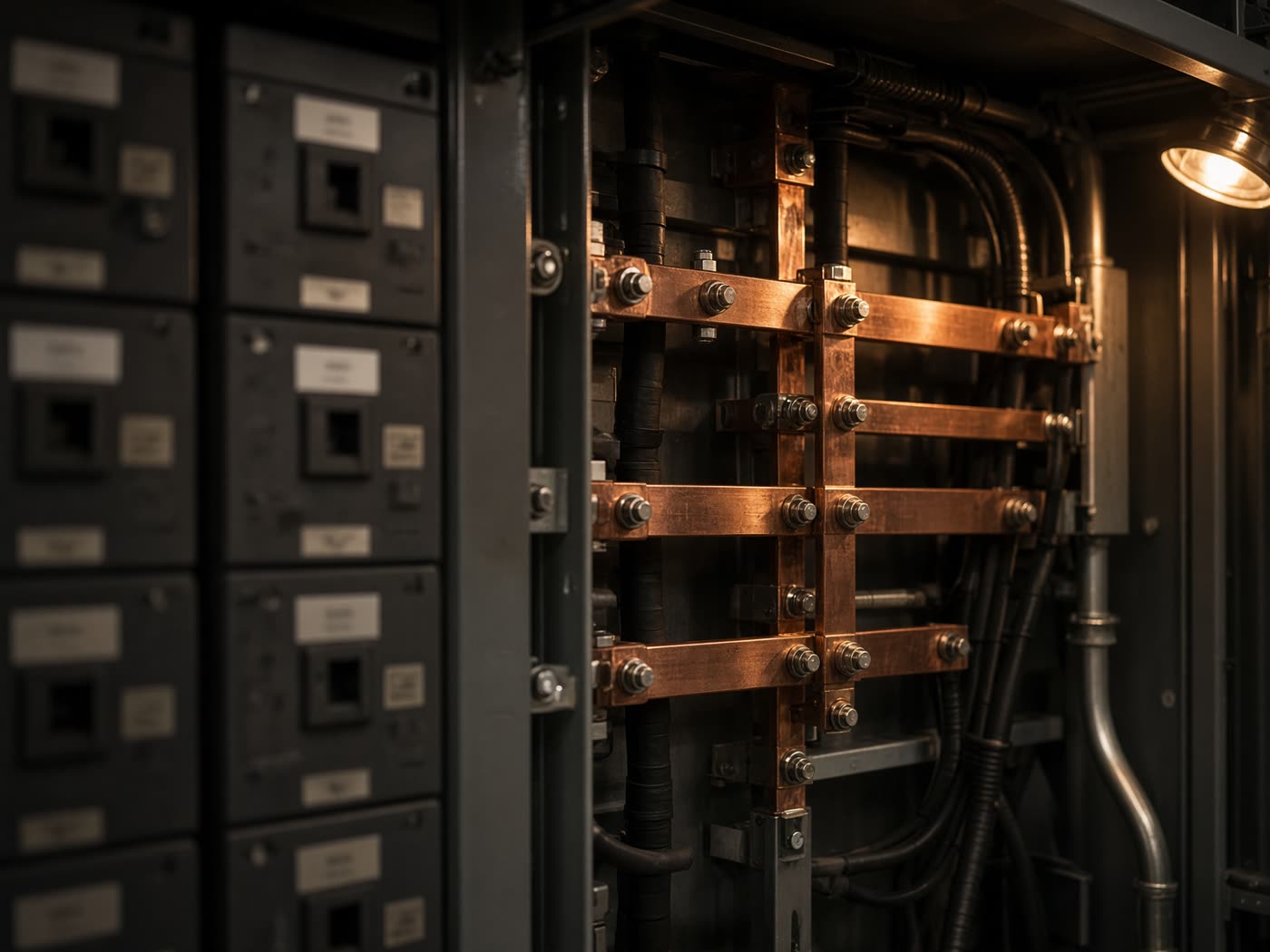
A pressure transmitter that looks healthy at the bench can still lie in the control room. The only check that matters is the full chain: process connection, analog loop, HART overlay, and the value the operator actually sees in SCADA.
The six-point check
We source the loop with a process calibrator at 4, 7.2, 10.4, 13.6, 16.8, and 20 mA — 0 through 100 percent of span. At each point we look for more than “close enough.”
- — SCADA display matches the sourced current
- — Linearity across the span, not only at zero and full scale
- — Stability and repeatability — no hunting, no lag that the DCS will fight
- — Hysteresis when you walk the points back down
What HART adds
Analog current tells you the loop. HART tells you the instrument. PV, SV, LRV/URV, damping, tag, and diagnostics belong in the same visit. If loop impedance is short of ~250 Ω, the FSK signal will fail and you will think the transmitter is mute when the wiring is the problem.
Why this belongs in Sioux Falls plants
Food, ag, grain, and generation sites around Sioux Falls run on loops that nobody wants to discover are wrong during a shutdown. Send the drawings. We will tell you what we can verify on paper and what has to be walked in the field.